How to Hold a Proper Plank: Form, Fixes and Progressions
A plank looks simple, but a few seconds of good form beats minutes of a sagging one. Done right, it trains your whole core to brace and protect your spine; done wrong, it strains your lower back and does little. Here is how to hold a proper plank, the common fixes, and how to progress once it feels easy.

Why Form Beats Time
Quality over the clock: the the-brace-not-hang (the plank as an active full-body brace, not a passive hold — the tension-is-the-point; the engage-everything), the the-sagging-strains (the dropped hips loading the lower back instead of the core from the lower-back logic — the the-common-fault), the the-short-and-perfect (the a solid 20-30 seconds beating a sloppy two minutes — the reps-that-count), the the-whole-core (the the-deep-core, glutes and shoulders all working when done right — the more-than-abs), the the-transfers-to-life (the the-anti-collapse strength protecting the spine in daily movement from the why-strong-core logic — the functional-bracing), and the reframe (the plank as an active brace judged by form, not a time trial — perfect-and-short-wins).
The Head-to-Toe Checklist
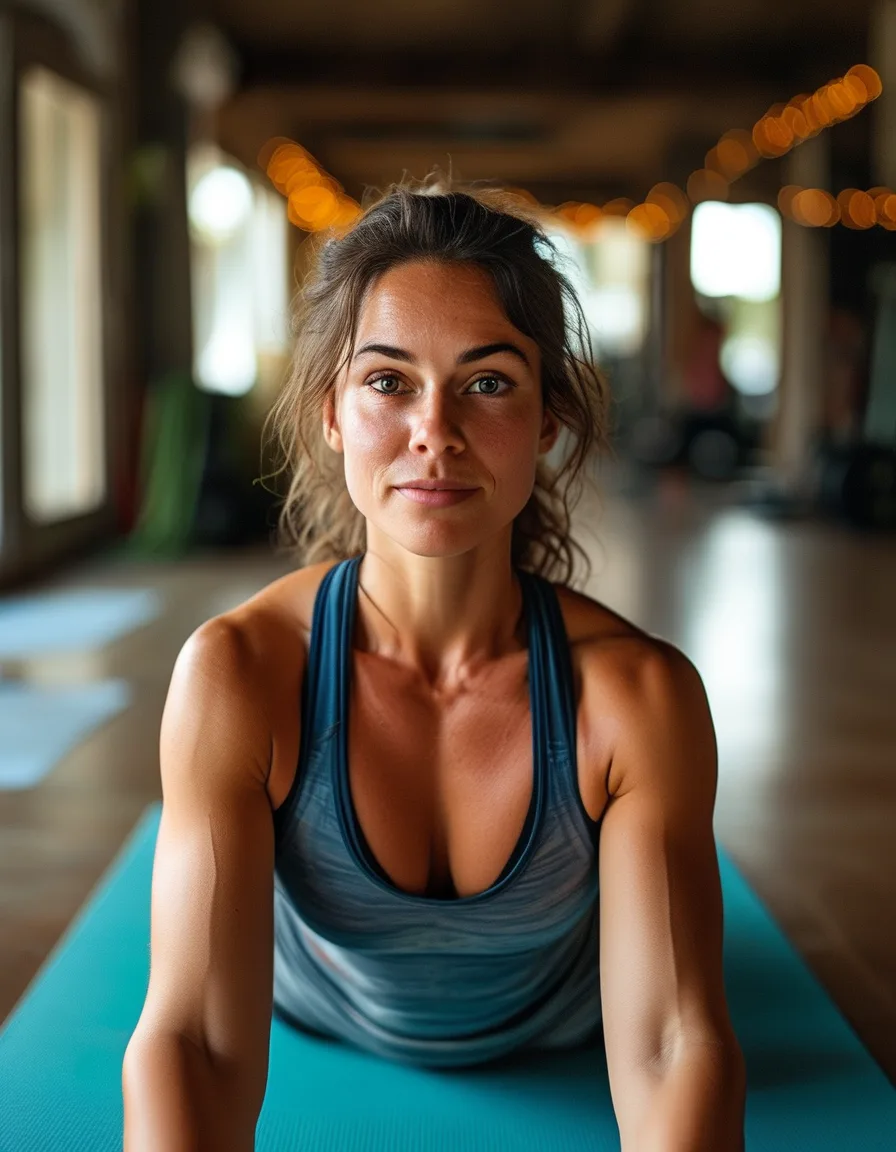
Building the position: the the-forearms-and-hands (the elbows under shoulders, forearms grounded — the the-base), the the-straight-line (the a line from head to heels, hips level — the no-sag-no-pike; the the-plank-line), the the-brace-the-core (the ribs down and belly braced as if for a light punch — the the-engagement), the the-squeeze-glutes (the glutes on to keep the pelvis neutral — the protect-the-back), the the-neck-neutral (the gaze at the floor just ahead, neck long — the no-craning), the the-breathe (the steady breathing while braced, not holding your breath — the breathe-through-it), and the the-legs-active (the thighs engaged, heels reaching back — the the-whole-body).
The Fixes and Progressions
Improving and advancing: the the-fix-the-sag (the lifting the hips and bracing harder if the low back dips — the re-engage), the the-fix-the-pike (the lowering the hips if they lift too high — the find-the-line), the the-knee-modification (the knees down to keep perfect form while building from the progression logic — the form-over-ego), the the-build-time-slowly (the adding seconds only with good form — the earn-the-duration), the the-progress-the-challenge (the shoulder taps, leg lifts or a longer lever once the base is solid — the add-instability), the the-vary-the-plank (the side planks for the obliques from the oblique logic — the all-angles), and the frame (the plank as a braced straight line held with quality, fixed by adjusting the hips, and progressed with control — real core strength, not a sagging time trial. Set a head-to-heels line, brace the core and glutes, keep the neck neutral and breathe — then add seconds and challenges only once the form holds).
A plank looks simple, but a few seconds of good form beats minutes of a sagging one — it is an active full-body brace, not a passive hold. Form beats time because dropped hips load the lower back instead of the core, and a solid 20-30 seconds trains the deep core, glutes and shoulders better than a sloppy two minutes. The checklist: elbows under shoulders, a straight line from head to heels with level hips, braced core, squeezed glutes, neutral neck, and steady breathing. Fix a sag by lifting and re-bracing, a pike by lowering the hips, and drop to your knees to keep form while building. Add time and challenges like shoulder taps only once the position holds.
Keep Reading
This article is for general informational and styling purposes only. Fit, sizing, and product availability may vary.