Core Training in Pregnancy: What Changes, What Continues, What Waits
Pregnancy core advice swings between ‘stop everything’ and ‘keep crushing it’ — both wrong. The core keeps working throughout (it’s about to perform the event of its career), but the exercises evolve by trimester. The guide, pressure-first. (Your prenatal provider clears and leads — this is the orientation.)
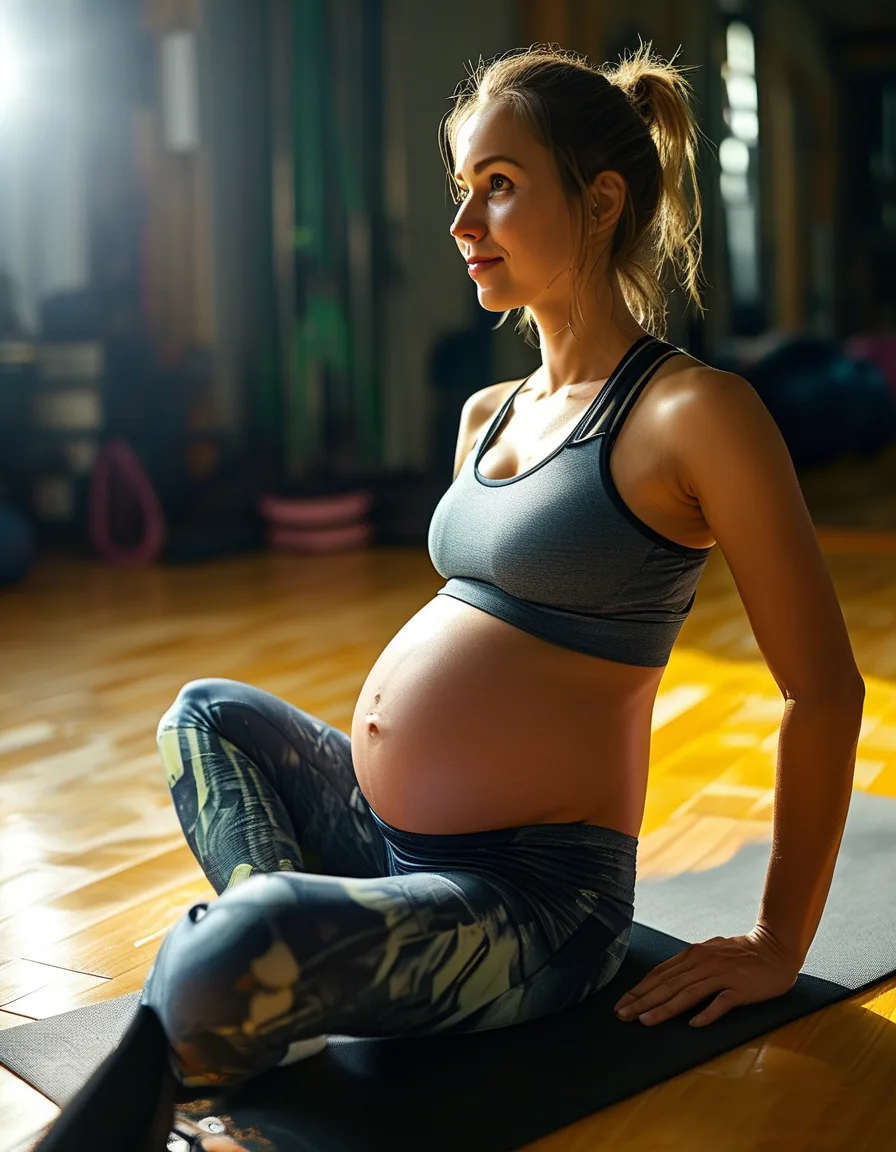
The Principle That Governs
Pressure management, again: the pregnant core is a container under increasing pressure (the growing uterus changes the pressure system — the training goal shifts from strengthening the container’s front to managing the pressure smartly), the doming watch (the coning ridge down the midline during effort is the too-much-for-today gauge — the same signal as postpartum, arriving earlier each trimester), and the breath-first skill (the exhale-on-effort pattern becomes the pregnancy’s most valuable core exercise — pressure vented upward-and-out instead of pushed onto the midline and pelvic floor; learn it in trimester one, use it forever).
Trimester One: Mostly Continue
The early months: most existing core work continues (planks, dead bugs, Pallof presses — the first trimester core is largely a normal core with a fatigue problem), the additions worth starting NOW (the breath-and-pelvic-floor coordination work — the skills that pay in trimesters two, three and the fourth; the side-plank family that stays useful throughout), and the drop-list starters (max-effort straining and breath-holding retire early — the Valsalva brace waits on the other side of this year).
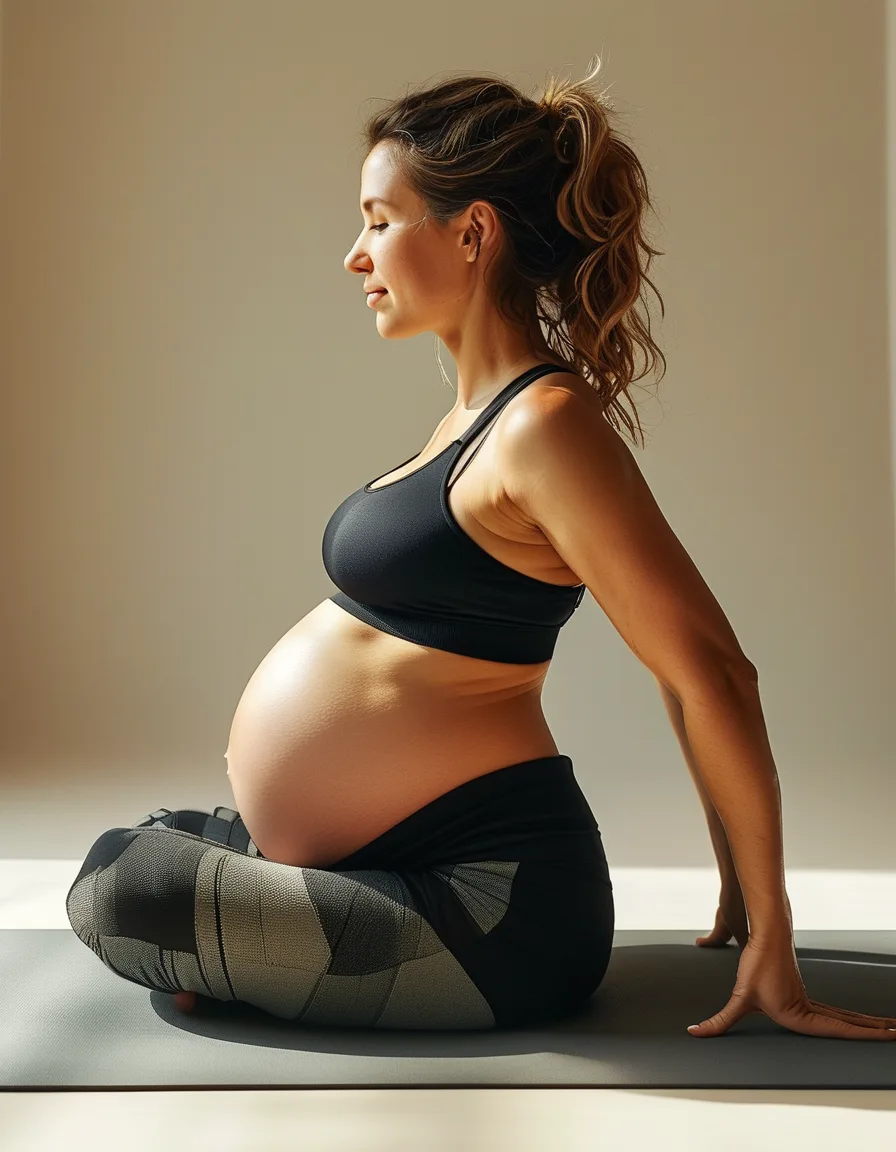
Trimesters Two and Three: The Evolution
The modification timeline: the flat-on-back question (extended supine work gets modified from mid-pregnancy per standard guidance — the incline-bench and side-lying versions replace it; short transitions stay fine for most, comfort deciding), the crunch-and-flexion retirement (front-loading flexion on a stretching midline invites doming — the anti-rotation and carry families take over completely; the Pallof press is the pregnancy core exercise), the plank evolution (full planks become incline planks become wall planks — the same pattern at falling pressure), and the additions tier (bodyweight squats-as-core, the bird-dog family, the side-lying series — the birth-and-carrying preparation that IS core training).
The Bigger Frame
The why-it-matters: the trained pregnant core isn’t about abs (it’s about the back that carries the load, the pressure system that protects the pelvic floor, and the pushing-and-recovery capacity — the postpartum-comeback speed is substantially set during pregnancy), the professional tier (a pelvic-health physio consult mid-pregnancy is the gold-standard move — one visit customizes everything), the symptom rules (pain, leaking, heaviness or doming mean modify, not push — the signals govern every trimester), and the kindness clause (some weeks the core work is walking and breathing — the container is busy building a person; the training accommodates the tenant). The core never stops working in pregnancy — it just changes departments.
Exhale on effort from day one, side planks stay, crunches retire, physio at the midpoint. Pregnancy core training is pressure management — the container adapts, the skills compound.
Keep Reading
This article is for general informational and styling purposes only. Fit, sizing, and product availability may vary.